“Sell Off Steve” Pearce Confirmed as BLM Director
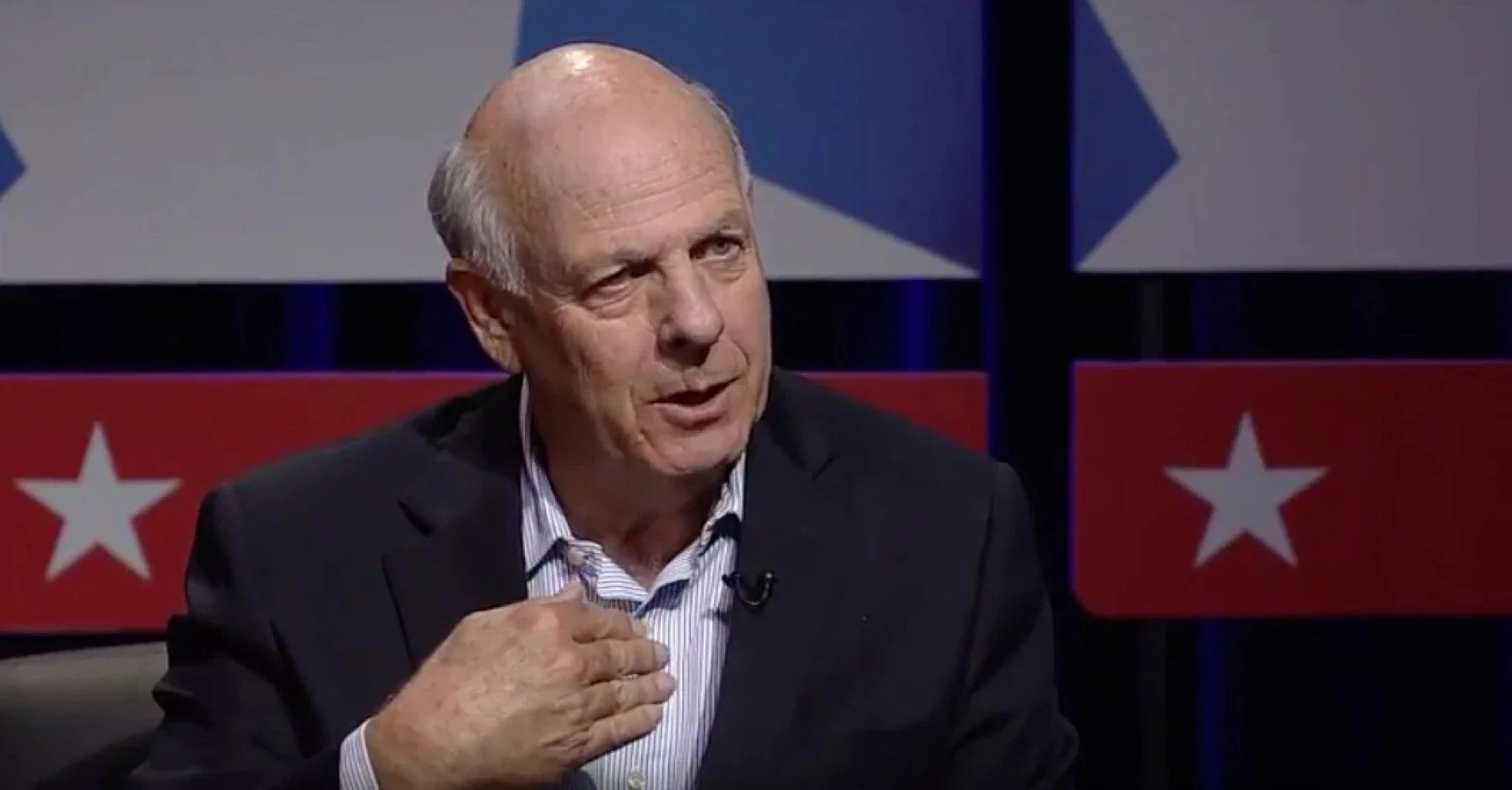
The Senate’s confirmation of Steve Pearce to lead the Bureau of Land Management should alarm anyone who values America’s public lands, wildlife habitat, outdoor recreation opportunities, and long-standing conservation traditions. At a time when public lands face increasing pressure from development, climate change, and fragmentation, the nation’s largest land management agency is now being led by someone with a long record of opposing public land protections and championing extractive industry interests.
The Bureau of Land Management oversees roughly 245 million acres of public land across the United States. These lands belong to every American. They support hunting, fishing, hiking, grazing, wildlife habitat, clean water, energy production, and outdoor recreation economies that sustain countless rural communities. The BLM’s mission has historically been rooted in “multiple use” management, balancing the many uses of public lands such as grazing, recreation, conservation, and responsible development.
Steve Pearce’s record suggests a very different vision.
Before entering politics, Pearce founded an oil and gas company in southern New Mexico, and throughout his congressional career he consistently aligned himself with the interests of the fossil fuel industry. While industry experience alone does not disqualify someone from public service, Pearce’s record demonstrates a repeated pattern of undermining conservation safeguards and public land protections in favor of expanded extraction and privatization-oriented policies.
One of the clearest warning signs is Pearce’s support for public land sell-offs. Pearce has openly criticized the growth of federal land ownership and supported efforts that conservationists and public land advocates viewed as paving the way for transferring or selling federal public lands. At a time when Americans across the political spectrum overwhelmingly support keeping public lands in public hands, placing someone with that philosophy in charge of the BLM is deeply concerning.
Pearce also built a record of opposing national monument protections. During his time in Congress, he supported legislation targeting the Antiquities Act, the century-old law that allows presidents to designate national monuments and protect culturally, historically, and ecologically important landscapes. He opposed monument protections in New Mexico, despite strong support from tribal nations, conservation groups, outdoor recreation advocates, and many local communities.
His record on conservation extends beyond monuments. Pearce repeatedly supported policies favoring expanded oil and gas drilling, mining, and industrial development on public lands while opposing stronger environmental safeguards. He also opposed increasing royalty payments from oil and gas companies operating on federal lands, meaning he sided against efforts to ensure taxpayers receive a fairer return from the extraction of publicly owned resources.
The timing of his confirmation makes the situation even more troubling.
On the same day Pearce was confirmed, the Bureau of Land Management officially rescinded the Public Lands Rule, a policy designed to ensure conservation and restoration received equal consideration alongside drilling, mining, and grazing in BLM decision-making. The rule reflected the agency’s legal multiple-use mandate and recognized that conservation itself is a legitimate and necessary use of public lands.
The rollback of that rule, paired with Pearce’s confirmation, signals a broader shift away from balanced stewardship and toward a far more extraction-centered approach to public land management.
Public lands are not simply commodities waiting to be leased or developed. They are wildlife habitat, migration corridors, recreation destinations, watersheds, and shared national assets. They support rural economies not only through energy production, but through hunting, fishing, tourism, outfitting, and outdoor recreation industries that depend on healthy landscapes and public access.
The concern is not theoretical. Under leaders hostile to conservation principles, public lands can face accelerated leasing, weakened environmental review, reduced habitat protections, and diminished public input. Pearce’s track record gives little reason to believe he will prioritize conservation, recreation access, or long-term ecological stewardship when those priorities conflict with industrial development.
Supporters of Pearce argue that his experience in the oil and gas industry and western politics make him qualified to lead the agency. But experience matters less than vision. The question is not whether Pearce understands resource extraction. It is whether he understands that public lands must serve all Americans, not just the industries seeking to profit from them.
For hunters, anglers, hikers, conservationists, tribal communities, and anyone who believes public lands should remain public and protected for future generations, Steve Pearce’s record suggests he is exactly the wrong person to lead the Bureau of Land Management.